

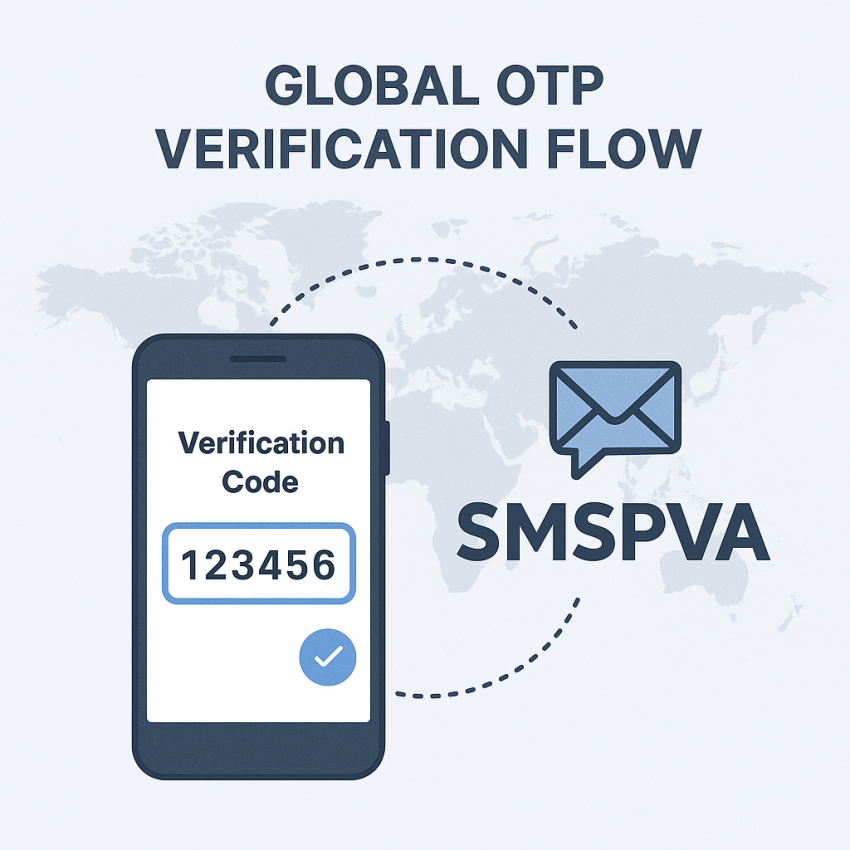

Why SMS-Man users choose SMSPVA as a reliable alternative
Why SMS-Man users choose SMSPVA as a reliable alternative is a common question for teams that depend on fast, secure mobile verification. This guide explores practical reasons, real-world usage, and clear steps to switch, while keeping your operations compliant and trustworthy.
- SMSPVA offers broad coverage, reliable delivery, and straightforward API access, making it a solid alternative for OTP verifications.
- Compared to SMS-Man, SMSPVA can provide faster verification flows and transparent usage terms.
- Start with a simple service link and verify availability for your country before integrating into apps.
Why use SMSPVA as a reliable alternative
The core reason many teams switch is reliability: SMSPVA tends to have robust delivery networks, lower failure rates for verification codes, and responsive support. For those evaluating options, the platform often balances ease of use with strong uptime, which is essential when OTP codes determine user onboarding or security checks.
In practice, users report smoother verification flows, reduced retries, and clearer error handling when integrating SMSPVA into apps and dashboards. If you’re weighing SMS-Man against SMSPVA, consider the availability of virtual numbers, immediate provisioning, and the clarity of pricing and limits. For example, you can learn more about the service page at virtual-number in the US and compare options directly.
Additionally, many teams value the transparency of documentation and quick-start guides, which help developers move from proof-of-concept to production with confidence. To see other verification tools, you can visit external resources such as WhatsApp for messaging contexts and Google Safety for security best practices.
For a broader view of verification technologies, you can also check Wikipedia to learn how 2FA fits into modern security.
How to switch from SMS-Man to SMSPVA
- Confirm coverage: verify that SMSPVA supports your target country and the type of number you need (e.g., virtual numbers for quick onboarding).
- Create an account: sign up and complete any required KYC or verification steps as prompted by SMSPVA.
- Provision a number: choose a service like virtual-number and request a number for testing.
- Integrate the API: update your integration to point to SMSPVA endpoints and test code delivery in a staging environment.
- Test thoroughly: run real-world verification flows to ensure reliability and timing match your user experience expectations.
Pro tip: maintain a small buffer of numbers to accommodate peak usage and minimize delays. If you’re hesitant about country-specific setup, the main service page can help you get started quickly: virtual-number service.
Also consider the dedicated country path for a specific market, such as virtual-number in the US, which provides concrete context for country-based verification needs. And for the broader service in the same domain, see virtual-number service.
As you evaluate options, remember to read docs, test edge cases, and consider how the provider handles error codes and retries. You can also explore additional channels like WHOIS data for related services to understand hosting and service provenance.
Table: Quick feature comparison
| Feature | SMS-Man | SMSPVA |
|---|---|---|
| Country coverage | Large but varies by service | Broad, with country-specific options |
| API & integration | Well-documented, varies by plan | Developer-friendly, quick-start guides |
| Reliability | Good, depends on route/ISP | Consistent delivery and fewer drops in many regions |
| Pricing transparency | Pricing varies by region | Transparent per-use pricing in many cases |
| Support responsiveness | Depends on plan | Prompt help via ticketing and chat |
Safe and legal use
Use numbers only for legitimate verification processes, comply with local laws, and avoid collecting sensitive data beyond what is needed for authentication. Always respect user privacy and obtain consent where required. For security best practices, consult Google Safety and stay informed about evolving regulations.
FAQ
SMSPVA is a platform that provides temporary numbers for verifying accounts and services when you need quick, on-demand access to mobile verification codes.
Both services offer OTP verification capabilities; users often compare delivery reliability, country coverage, and API simplicity. SMSPVA is frequently chosen for its straightforward setup and consistent delivery in many markets.
OTP workflows are generally safe when numbers are used for legitimate verifications and sent through trusted providers. Always implement additional security layers where possible, such as account monitoring and anomaly detection.
Availability depends on the provider and the country. Check the provider’s country list and test in your target region before deployment.
Typically you sign up, provision a number, obtain API keys, and update your backend to request verification codes from the provider. Start with a sandbox or testing mode if available.
Risks include temporary number blocking, rate limits, and potential overlap with other users. Always monitor usage and comply with terms of service to minimize disruptions.
Ready to switch? Start with the US provisioning path and evaluate how SMSPVA performs for your OTP flows compared to SMS-Man.
For more verification options, consider visiting our blog for updates and best practices.