

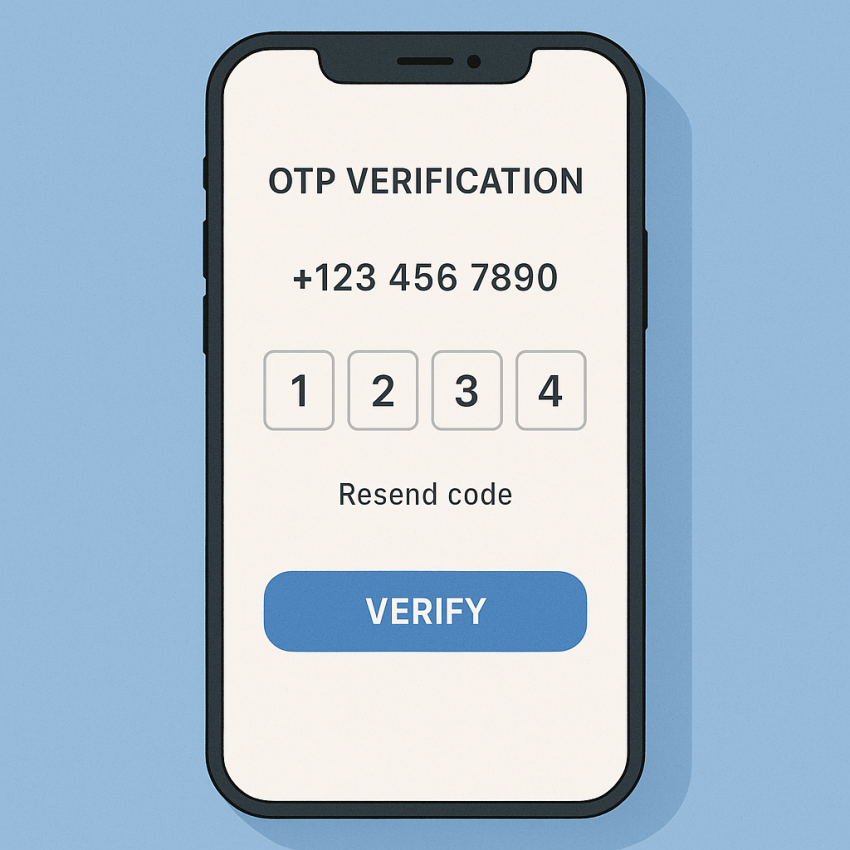

How to Test OTP Systems Using Temporary Numbers
If you are building an authentication flow, this guide shows How to test OTP systems using temporary numbers in a safe, compliant way. Temporary numbers help protect user privacy while validating delivery, retries, and fallback paths.
Why use temporary numbers for OTP testing
- Preserve user privacy by not exposing personal phone numbers during development.
- Accelerate QA with ready-to-use numbers that you control.
- Validate end-to-end delivery, latency, and retries without real users’ data.
- Reduce risk of test data leaking into production environments.
- See practical examples with the service links like SMSPVA virtual phone number and free phone numbers for quick starts.
- For more background on secure verification concepts, see One-Time Password on Wikipedia.
How to run a testing workflow
- Define testing goals: verify delivery, code entry, retry limits, and timeout handling.
- Choose a disposable number provider: consider providers that offer dedicated test numbers or virtual numbers such as the virtual phone number service. See also the free numbers page for quick trials.
- Create test accounts or use a staging environment that clearly segregates test data from production.
- Configure your OTP flow to accept delivery to the temporary number, and log timestamps, codes, and status for each attempt.
- Validate entry: ensure correct code handling, rate limits, and proper error messages for invalid codes.
- Monitor and cleanup: rotate numbers, review logs, and revoke test access after QA cycles.
Table: comparing testing options
| Feature | Temporary Numbers | Long-term Numbers | Recommendation |
|---|---|---|---|
| Privacy | High (no personal data shared) | Low (risk if exposed) | Prefer temporary numbers for tests |
| Setup time | Fast | Slower (need provisioning) | Use temporary numbers in early QA |
| Cost | Variable, often affordable per number | Higher ongoing costs | Budget for test cycles |
| Reliability | Depends on provider | Consistent for long-term projects | Balance both approaches |
Safe and legal use
Always obtain explicit permission to test OTP flows that involve phone numbers. Use reputable providers and review their terms of service. Avoid attempting to verify real users without consent, and consult local regulations on SMS verification and data privacy. For added security, review Google Safe Browsing and security best practices.
FAQ
What is OTP testing?
OTP testing validates that one-time passwords are delivered and accepted correctly by the verification flow, including timing, retries, and failure handling.
Why use temporary numbers when testing?
Temporary numbers protect privacy, allow isolated QA, and prevent test activity from impacting real users or production metrics.
Are there legal considerations?
Yes. Follow local laws and provider terms, obtain consent where required, and avoid misusing numbers or data.
How do I integrate OTP testing into code?
Integrate with your backend to request test numbers, trigger OTP generation, and log delivery success or failure in your CI/CD pipelines.
Where can I find official documentation?
Consult SMSPVA guides and the provider’s API docs for endpoints, rate limits, and best practices. See also general references like One-Time Password on Wikipedia.
Get started with temporary numbers
Ready to run your OTP tests? Explore the official service pages and start testing in minutes.
For more reading, check our blog at OTP testing guide.