

 Global
SMSPVA
OTP
Global
SMSPVA
OTP
Future of Phone Number Verification and Digital Identity
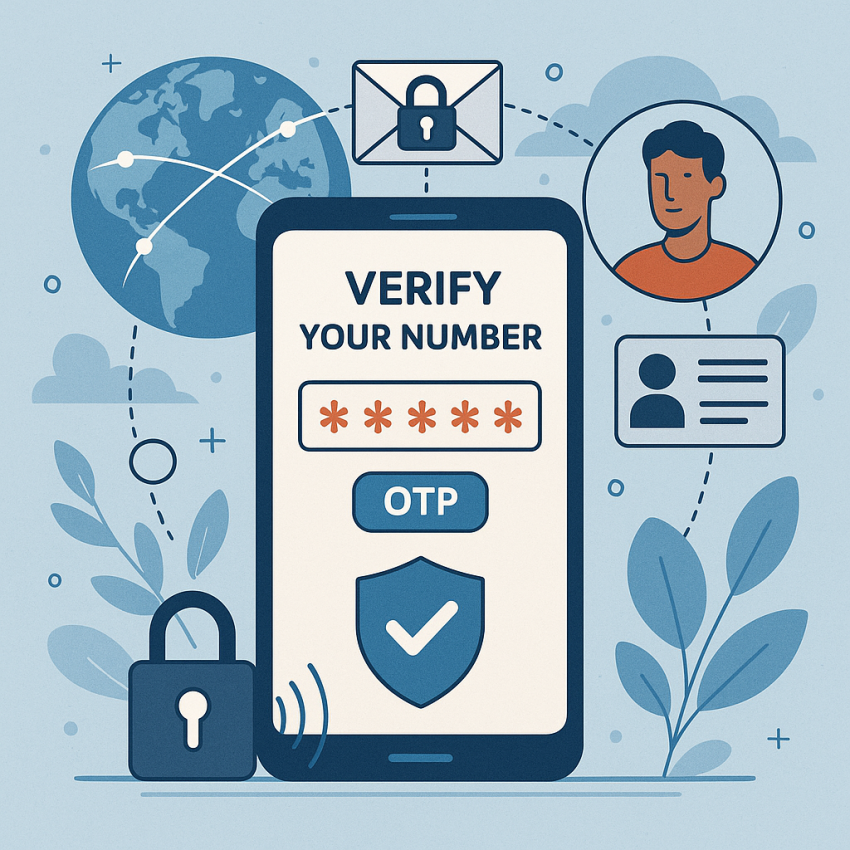
Future of phone number verification and digital identity is shaping how individuals and businesses connect online. As mobile security evolves, reliable verification methods help protect accounts and prevent fraud. This article explores trends, best practices, and practical steps you can take today.
- SMS-based OTP remains essential, but privacy and speed matter.
- Digital identity relies on layered verification and user-friendly flows.
- Compliance and data protection are critical for trust.
Why use …
Why use a robust verification system? For users, it reduces spoofing; for businesses, it lowers churn and fraud. The Future of phone number verification and digital identity may integrate biometric hints, device checks, and risk-based authentication to improve reliability while respecting privacy.
How to implement
- Choose verification methods that balance security and user experience (SMS OTP, push verification, or biometric checks).
- Integrate API services like SMSPVA to manage numbers, routes, and validation codes securely.
- Ensure privacy by minimizing data collection and providing clear consent.
- Monitor for abuse with anomaly detection and rate limiting.
- Design fallbacks and support for users who don’t receive codes promptly.
Comparison table
| Method | Pros | Cons |
|---|---|---|
| SMS OTP | Fast; widely supported | SIM swap risk; carrier delays |
| Voice OTP | Good offline fallback | Costs; user may miss calls |
| Biometric / WebAuthn | Strong security; phishing resistant | Requires device support |
Safe and legal use
Respect local laws and platform policies. Obtain user consent for verification, store minimal data, and provide clear opt-outs. For more about privacy, see Phone verification on Wikipedia.
FAQ
Ready to test a robust verification flow? Explore virtual numbers See all services
External resources: WhatsApp, Google Security, Phone verification.