

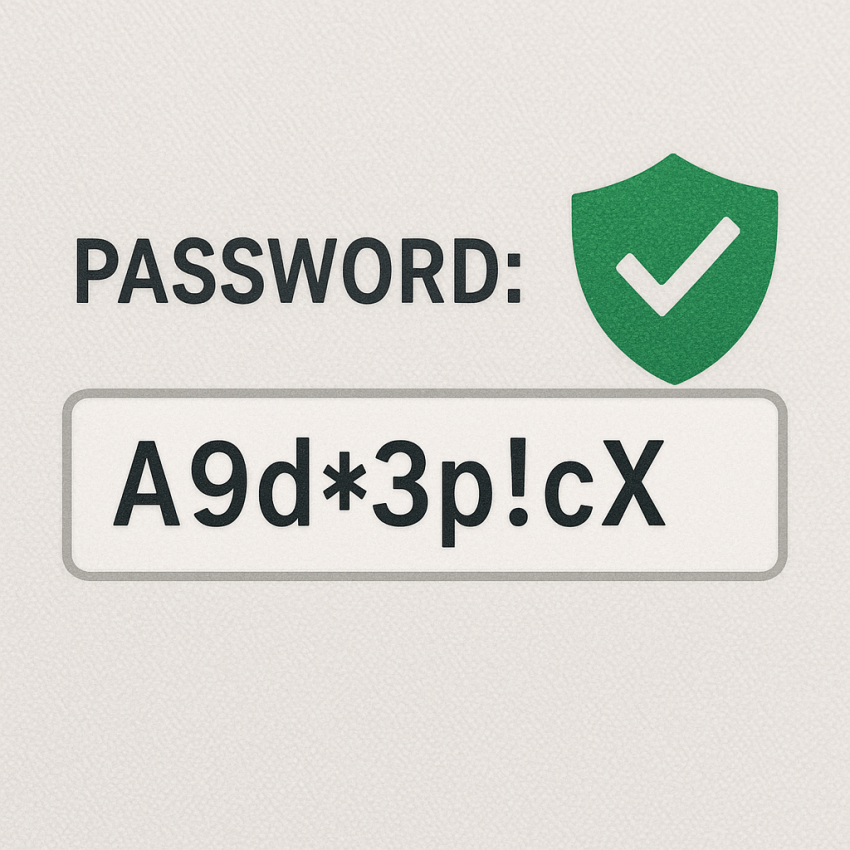

Are Special Characters Really Required in Passwords
Why use strong passwords?
Are special characters really required in passwords? The core idea is to create long, unpredictable combinations. A longer password or passphrase that you never reuse across sites often provides stronger protection than a short complex password. You can read about password basics on Wikipedia and check recommendations from Google Security.
How to create strong passwords
- Aim for 12–16 characters as a baseline.
- Use a mix of upper and lower case letters, numbers, and symbols when allowed.
- Don’t rely on dictionary words; consider a passphrase made from unrelated words.
- Avoid reusing passwords across sites.
- Use a reputable password manager to generate and store complex credentials.
- Enable two-factor authentication (2FA) wherever possible for added protection.
- Regularly review security settings and update compromised accounts promptly.
Quick comparison: passwords vs passphrases
| Approach | Length | Complexity | Pros | Cons |
|---|---|---|---|---|
| Traditional password | 8–12 | Upper/lower, digits, symbols | Good with length | Hard to remember, reuse risk |
| Passphrase | 15–30+ | Words + separators | Memorable, high entropy | May be long to type |
Safe and legal use
Always use passwords ethically and legally. Do not attempt to access accounts you do not own. For references on password topics, see Wikipedia: Password and Google Security Blog. For generation or storage, consider trusted services like SMSPVA password generator.
FAQ
Are special characters truly required for passwords?
Not strictly required for every site, but adding symbols increases entropy. If you use a long, unique passphrase, you can achieve strong security without symbols in many cases.
Should I always use symbols if allowed?
Symbols help in environments where symbols are accepted, but they can be difficult to remember. Prefer memorability combined with length and 2FA.
Is a password manager safe?
Yes, when you choose a reputable manager with strong encryption and zero-knowledge architecture. It reduces the risk of reuse and helps you generate unique passwords.
Can passphrases be secure?
Absolutely. A long, random-sounding passphrase made of unrelated words is typically easier to memorize and hard to crack.
How can I test password strength?
Use built-in password strength meters in browsers and reputable generators. Look for entropy and avoid common word patterns.
What about reusing passwords?
Avoid reuse at all costs. Each account should have a unique password, ideally stored in a password manager.